
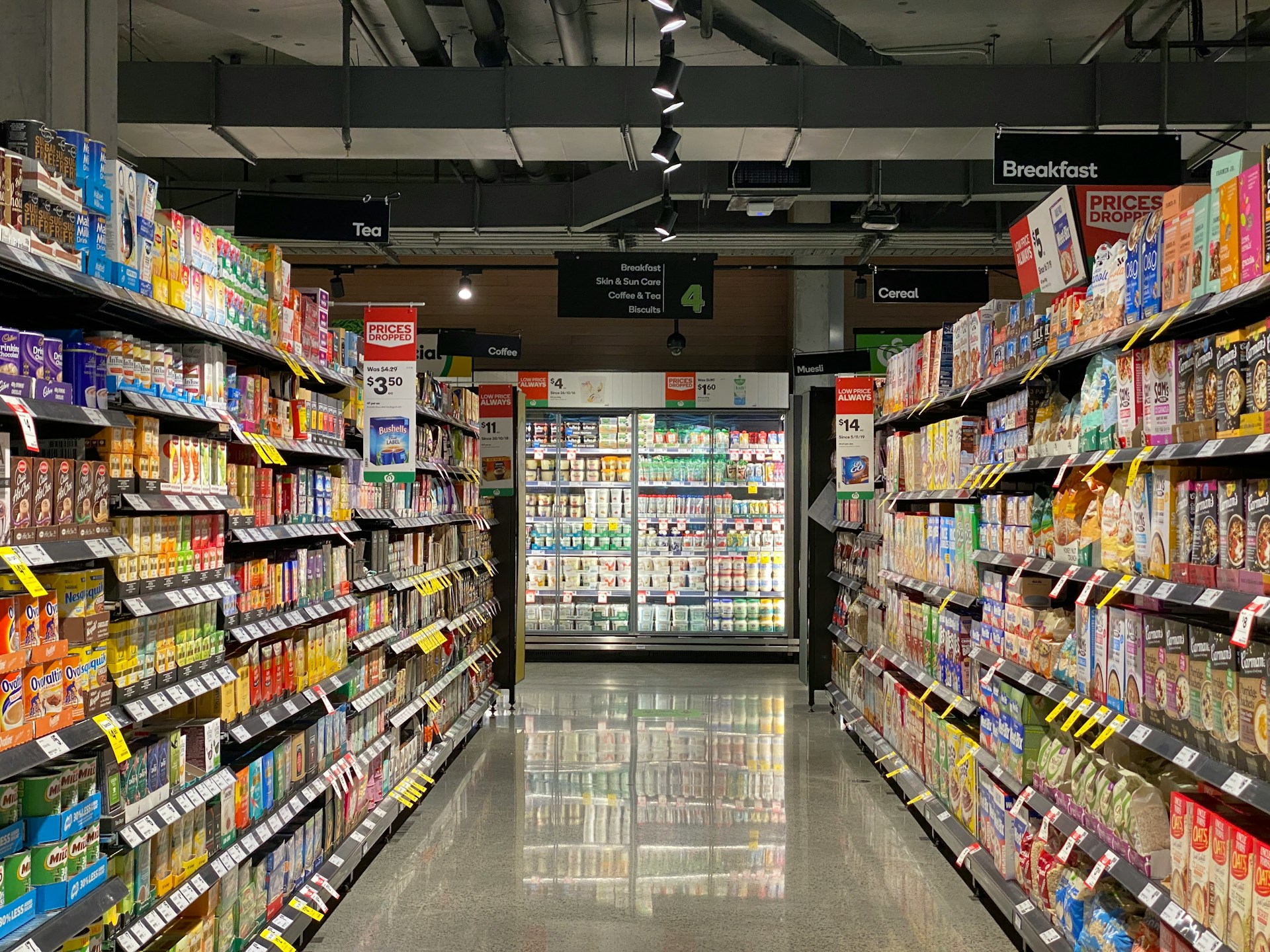
Starting a grocery store or supermarket can be an exciting business opportunity, but success depends on careful planning and smart decisions from the beginning. A well-organized store needs more than shelves filled with products. It requires the right layout, reliable equipment, efficient systems, and a focus on creating a pleasant shopping experience for customers. Whether you are opening a small neighborhood store or a supermarket, understanding the key elements of retail management can help you build a strong foundation.
Choosing the Right Shopping Trolley for Your Store
One important part of creating a smooth shopping experience is selecting the right equipment for customers. A quality shopping trolley helps shoppers move comfortably around the store while carrying their purchases with ease. The size, design, and durability of your trolleys should match your store layout and customer needs. Smaller stores may benefit from compact options, while larger supermarkets often require larger capacity models that can handle heavier shopping loads. Choosing suitable equipment improves convenience and supports better customer satisfaction.
Planning an Efficient Store Layout
A successful grocery store layout should make it easy for customers to find what they need while encouraging them to explore different sections. Product placement, aisle spacing, checkout positioning, and customer movement patterns all influence how people interact with your store. A well-planned layout can reduce congestion, improve visibility of products, and create a more enjoyable shopping environment. Taking time to design your space properly can also make daily operations easier for employees.
Investing in Quality Retail Equipment
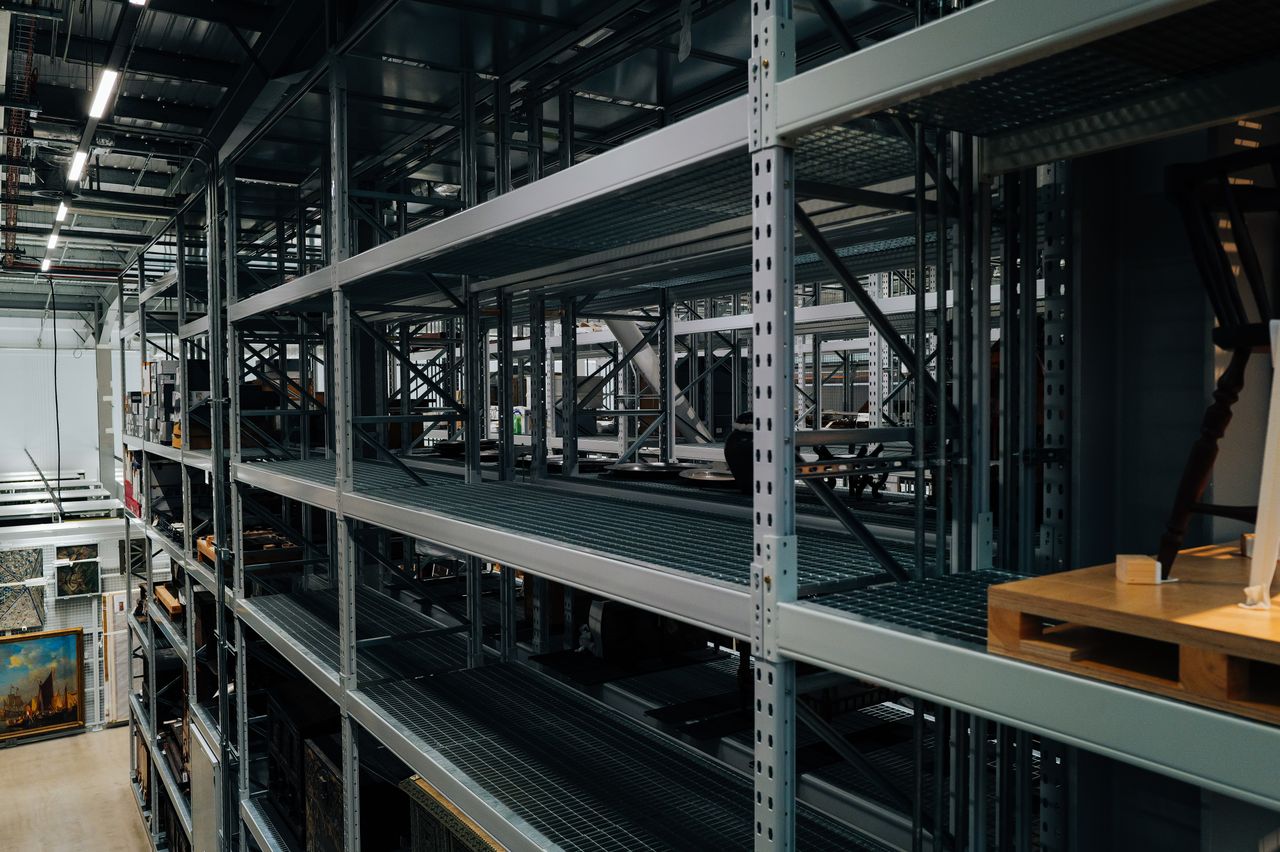
The equipment inside your store plays a major role in how efficiently your business operates. From shelving systems and display units to refrigeration and checkout stations, every item should support your business goals. Reliable retail equipment can reduce maintenance issues and help create a professional appearance. Customers often notice when a store feels organized and well maintained, which can influence whether they return in the future.
Understanding Your Customers’ Shopping Habits
Knowing your target customers is essential when setting up a supermarket. Different communities have different shopping preferences, budgets, and expectations. Some customers may prefer quick shopping trips, while others may spend more time comparing products and exploring different sections. Researching customer behavior allows you to make better decisions about store size, product selection, pricing strategies, and services that improve the overall shopping experience.
Creating a Comfortable and Convenient Shopping Environment
Customer experience is one of the biggest factors that separates successful stores from average ones. A clean, bright, and organized environment encourages customers to stay longer and return regularly. Features such as clear signage, accessible aisles, comfortable spaces, and efficient checkout processes can make a significant difference. Small improvements throughout the store can help customers feel more comfortable and valued.
Managing Inventory and Daily Operations
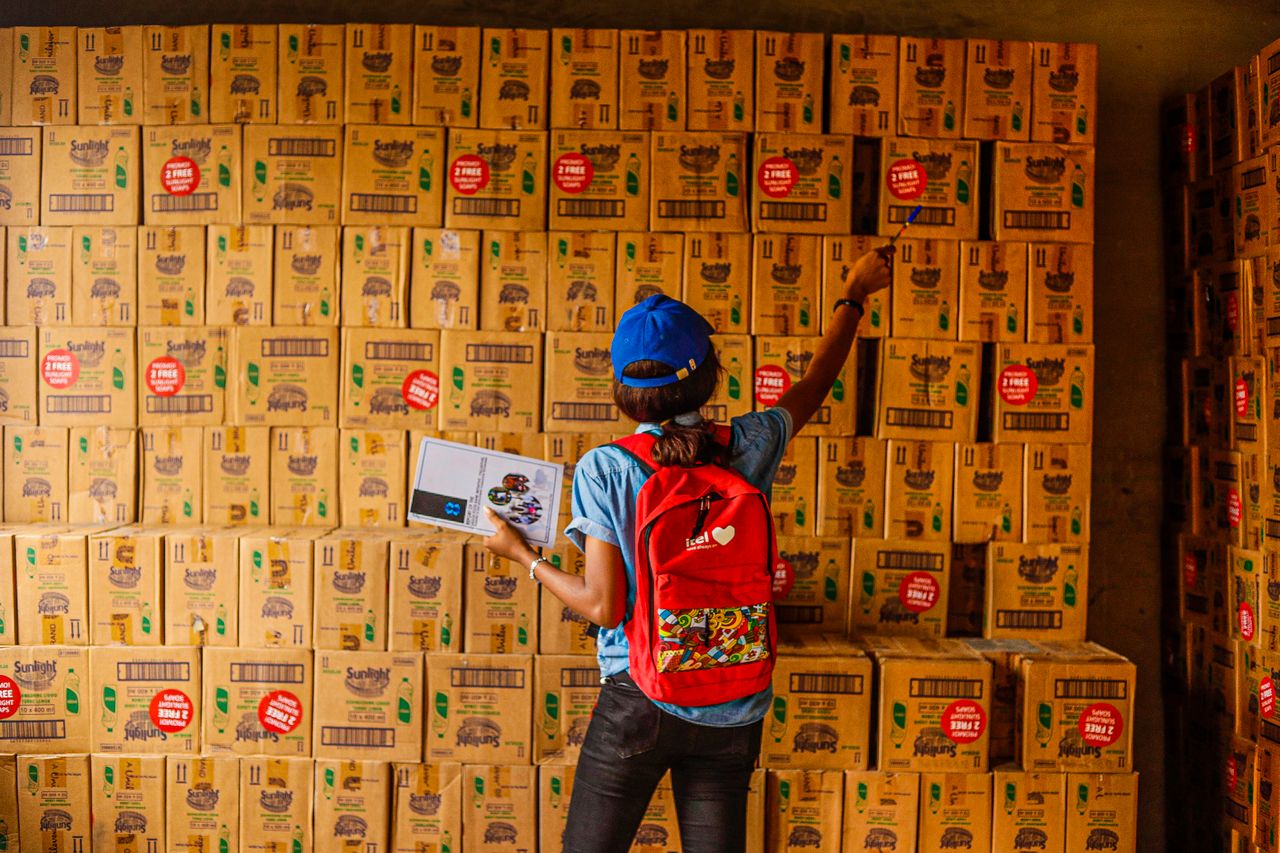
Effective inventory management is another important part of running a successful grocery business. Keeping track of stock levels helps prevent empty shelves, reduce waste, and ensure customers can find popular products when they visit. Store owners should also develop clear routines for deliveries, product rotation, cleaning, and employee responsibilities. Strong daily processes help maintain consistency and keep the business running smoothly.
Using Smart Business Strategies for Long-Term Growth
Building a successful supermarket requires ongoing improvement and adaptation. Business owners should regularly review customer feedback, sales performance, and operational challenges. Marketing efforts, loyalty programs, promotions, and community engagement can help attract new shoppers and maintain relationships with existing customers. Staying aware of industry trends allows your store to remain competitive as customer expectations continue to change.
Setting up a successful grocery store or supermarket requires thoughtful planning, quality equipment, and a strong focus on customer needs. From designing an effective layout to creating a comfortable shopping environment, every detail contributes to the overall success of the business. By making smart investments and continuously improving operations, retailers can build stores that customers enjoy visiting and trust for their everyday shopping needs.